Transportation Systems Division (TSD)
Dedicated to serving as a platform for emerging and diverse technologies across land and sea transportation, with the goal of driving innovation, sustainability, and transformative solutions in the mobility sector.
About
Dedicated to serving as a platform for emerging and diverse technologies across land and sea transportation, with the goal of driving innovation, sustainability, and transformative solutions in the mobility sector. With the internal combustion engine division serving as its foundational technical group, TSD is growing into electrification, autonomous driving, safety, sustainability, and more.
Mission and Vision
Mission Statement
To advance engineering solutions that enable safe, efficient, and sustainable transportation on land and sea for the benefit of humanity.
Vision Statement
To be the leading global engineering community shaping the future of transportation by uniting industry professionals, researchers, and students.
Leadership
The ASME Transportation Systems Division (TSD) brings together industry experts, researchers, and innovators to advance technologies that shape the future of transportation. Our leadership groups provide strategic direction, foster collaboration, and ensure the success of key initiatives across the division.
Executive Committee: The Transportation Systems Division Executive Committee provides leadership for the vision, strategy, and overall direction of the Division. Composed of dedicated volunteers with broad and deep experience across transportation technologies and systems, the Committee oversees programs, conferences, and initiatives that advance the Division’s mission. Through collaboration, stewardship, and a commitment to technical excellence, the Executive Committee works to ensure the Division remains impactful, relevant, and responsive to the evolving needs of the global transportation community.
Conference Organizing Committee: The ASME DRIVN 2027 Conference Organizing Committee is responsible for shaping and delivering a world-class technical program that reflects the breadth, rigor, and momentum of today’s transportation community. Bringing together leaders from industry, academia, and research organizations, the Committee oversees the technical tracks, plenaries, special sessions, and overall conference experience. Through their dedication and collaborative effort, the Organizing Committee ensures that the ASME DRIVN 2027 provides a timely, high-impact forum for advancing ideas, fostering connections, and driving meaningful progress in global mobility and power systems.
Transportation Advisory Board: The Transportation Advisory Board brings together a diverse group of leaders from industry, academia, and national labs who are shaping the future of global mobility. Representing expertise across propulsion systems, energy, infrastructure, policy, and emerging technologies, the Board provides strategic guidance to ensure the Division remains technically rigorous, forward-looking, and inclusive of multiple pathways. Their collective insight helps steer our programs, conferences, and initiatives toward solutions that reflect the real-world complexity of modern transportation systems.
Honors and Awards
The Transportation Systems Division offers awards that recognize outstanding leadership, innovation, service, and technical contributions advancing transportation systems and internal combustion engine engineering. These awards are an important way for the Division to honor excellence across the profession, elevate the achievements of members and volunteers, and encourage continued impact within ASME and the broader engineering community. Some of the Division’s most prestigious honors are listed below.
Society Awards Division Awards
Society Awards Division Awards
- TSD Outstanding Mentor Award
- TSD Early Career Award
- Engine Impact Award
- ICE Early Career Award
- Meritorious Service Award
Events
Join the conversation shaping the future of transportation! The ASME Transportation Systems Division hosts cutting-edge conferences and interactive webinars designed to connect innovators, industry leaders, and researchers worldwide.
View upcoming events and webinars, and access on-demand sessions.
View upcoming events and webinars, and access on-demand sessions.
Technical Communities
Technical Communities
Internal Combustion Engine Technical Community (ICETC)
The Internal Combustion Technical Community has been promoting the art and science of mechanical engineering of engines, encouraging and fostering research and development for mobile, marine, rail, generation and stationary applications and summarizing and publishing reliable data concerning these pursuits since 1921. Meet the ICETC Leadership Team

Dustin Osborne, Chair
Principal Engineer,
Southwest Research Institute

Scott Curran, Vice Chair
Group Leader for Fuel Science & Engine Technologies Research
Oak Ridge National Laboratory
Electrification Technical Community
The Electrification Technical Community advances battery technologies and vehicle electrification through innovations in energy storage, battery design, manufacturing, safety, and electric propulsion systems, addressing engineering challenges and emerging technologies in electric mobility.

Harsh Darshan Sapra, Chair
Assistant Professor, School of Mechanical and Automotive Engineering
Clemson University

Manfredi Villani, Vice Chair
Assistant Professor, Mechanical Engineering,
The Ohio State University
Sustainability & Policy Technical Community
The Sustainability & Policy Technical Community advances sustainable transportation through lifecycle assessment, environmental impact analysis, and policy development. The community focuses on reducing the environmental footprint of vehicles, components, materials, and transportation systems across all modes of mobility. By connecting technical research with regulatory and policy considerations, the community supports informed decision-making, responsible innovation, and a more sustainable transportation future.

Zissis Samaras, Chair
Professor
Aristotle University and Emisia SA

Jarod C. Kelly, Vice Chair
Materials LCA Group Leader
Argonne National Laboratory
AI in Transportation Technical Community
The AI in Transportation Technical Community advances the application of artificial intelligence, machine learning, and data-driven technologies to improve transportation research, engineering, and innovation. The community focuses on leveraging advanced analytics, physics-informed AI, and intelligent modeling to accelerate product development, optimize vehicle performance, and enhance engineering processes across transportation technologies. By connecting research with practical industry applications, the community supports the development of smarter, more efficient, and innovative transportation solutions.

Pinaki Pal, Chair
Principal Research Scientist, Advanced Propulsion and Power Department
Argonne National Laboratory
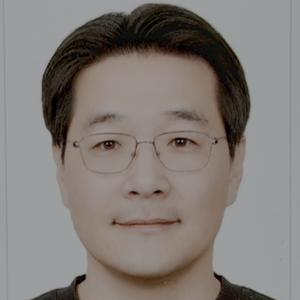
Seunghwan Keum, Vice Chair
Senior TME (Physics AI)
NVIDIA
Connected & Autonomous Systems
The Connected & Autonomous Systems Technical Community advances the development and integration of intelligent, connected, and autonomous transportation technologies to improve safety, efficiency, and mobility. The community focuses on vehicle connectivity, automated driving systems, vehicle-to-everything (V2X) communication, cooperative mobility, and intelligent transportation infrastructure. By promoting research, innovation, and collaboration, the community supports the development of reliable, interoperable, and human-centered technologies that enable smarter, safer, and more connected transportation systems.
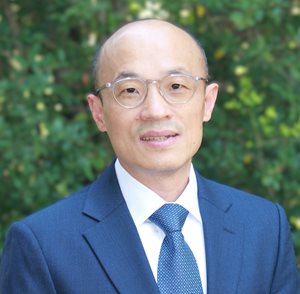
Junmin Wang, Chair
Fletcher Stuckey Pratt Chair Professor in Engineering
University of Texas at Austin

Vishnu Pandi Chellapandi, Vice Chair
Technical Advisor
Cummins Research and Technology
Internal Combustion Engine Technical Community (ICETC)
The Internal Combustion Technical Community has been promoting the art and science of mechanical engineering of engines, encouraging and fostering research and development for mobile, marine, rail, generation and stationary applications and summarizing and publishing reliable data concerning these pursuits since 1921. Meet the ICETC Leadership Team
Dustin Osborne, Chair
Principal Engineer,
Southwest Research Institute
Scott Curran, Vice Chair
Group Leader for Fuel Science & Engine Technologies Research
Oak Ridge National Laboratory
Electrification Technical Community
The Electrification Technical Community advances battery technologies and vehicle electrification through innovations in energy storage, battery design, manufacturing, safety, and electric propulsion systems, addressing engineering challenges and emerging technologies in electric mobility.
Harsh Darshan Sapra, Chair
Assistant Professor, School of Mechanical and Automotive Engineering
Clemson University
Manfredi Villani, Vice Chair
Assistant Professor, Mechanical Engineering,
The Ohio State University
Sustainability & Policy Technical Community
The Sustainability & Policy Technical Community advances sustainable transportation through lifecycle assessment, environmental impact analysis, and policy development. The community focuses on reducing the environmental footprint of vehicles, components, materials, and transportation systems across all modes of mobility. By connecting technical research with regulatory and policy considerations, the community supports informed decision-making, responsible innovation, and a more sustainable transportation future.
Zissis Samaras, Chair
Professor
Aristotle University and Emisia SA
Jarod C. Kelly, Vice Chair
Materials LCA Group Leader
Argonne National Laboratory
AI in Transportation Technical Community
The AI in Transportation Technical Community advances the application of artificial intelligence, machine learning, and data-driven technologies to improve transportation research, engineering, and innovation. The community focuses on leveraging advanced analytics, physics-informed AI, and intelligent modeling to accelerate product development, optimize vehicle performance, and enhance engineering processes across transportation technologies. By connecting research with practical industry applications, the community supports the development of smarter, more efficient, and innovative transportation solutions.
Pinaki Pal, Chair
Principal Research Scientist, Advanced Propulsion and Power Department
Argonne National Laboratory
Seunghwan Keum, Vice Chair
Senior TME (Physics AI)
NVIDIA
Connected & Autonomous Systems
The Connected & Autonomous Systems Technical Community advances the development and integration of intelligent, connected, and autonomous transportation technologies to improve safety, efficiency, and mobility. The community focuses on vehicle connectivity, automated driving systems, vehicle-to-everything (V2X) communication, cooperative mobility, and intelligent transportation infrastructure. By promoting research, innovation, and collaboration, the community supports the development of reliable, interoperable, and human-centered technologies that enable smarter, safer, and more connected transportation systems.
Junmin Wang, Chair
Fletcher Stuckey Pratt Chair Professor in Engineering
University of Texas at Austin
Vishnu Pandi Chellapandi, Vice Chair
Technical Advisor
Cummins Research and Technology
Resources
We are pleased to share the Transportation Systems Division (TSD) Operating Guide and Awards Operating Guide. Together, these documents provide a clear framework for the Division’s governance, priorities, and awards activities.
The TSD Operating Guide was intentionally created as a strategic document. It outlines the Division’s purpose, leadership structure, roles, decision-making framework, and long-term approach to continuity and growth. It is intended to support consistent governance while allowing technical communities and working groups the flexibility to manage their activities within that framework.
The Awards Operating Guide provides guidance for administering TSD awards, including roles, responsibilities, nomination and selection processes, approval pathways, and timing. Its purpose is to promote consistency, transparency, and continuity across award cycles.
Please take a few moments to review both guides and use them as references when participating in
Division leadership, community, and awards activities.
Your engagement will help ensure that TSD continues to operate with clarity, consistency, and a shared understanding of our governance practices. If you have questions about either guide or how it applies to your role, please reach out to me. We appreciate your continued involvement and partnership in advancing the work of the Transportation Systems Division.
Best regards,
Kelly Senecal
Chair, Transportation Systems Division Executive Committee
Transportation Systems Division Operating Guide
Transportation Systems Division Awards Operating Guide