DRIVN Debuts as a New Hub for Transportation Innovation
DRIVN Debuts as a New Hub for Transportation Innovation
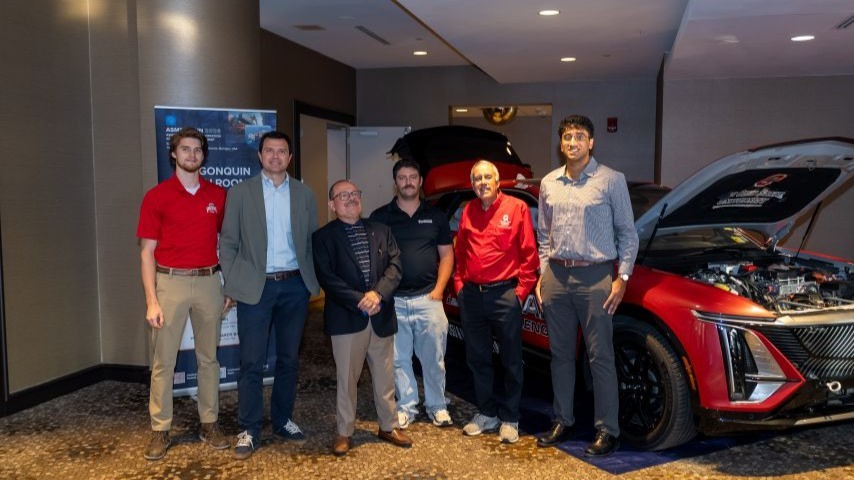
The inaugural ASME DRIVN conference united industry, academia, and government to shape transportation's future through cross-disciplinary collaboration.
When people imagine the future of mobility, they often picture the next generation of vehicles and the impact those innovations will have on everyday life. But the future of transportation extends far beyond the automotive sector. From highways to waterways, transformative technologies depend on the engineers, researchers, and industry leaders working together to redefine how the world moves.
The inaugural ASME DRIVN conference, which occurred in September 2026, provided a space for experts from industry, academia, and government to discuss solutions for some of the most pressing challenges of worldwide transportation.
“[ASME] DRIVN brings together research and development from automakers, national laboratories, and universities in one place. Those perspectives are often where the next wave of innovation begins,” said Brian Schneidewind, vice president of powertrain design at Toyota North America. His presentation on Toyota’s sixth generation plug-in hybrid electric vehicle (PHEV) technology highlighted one of the industry’s major areas of focus: advancing powertrains as companies diversify beyond internal combustion engines.
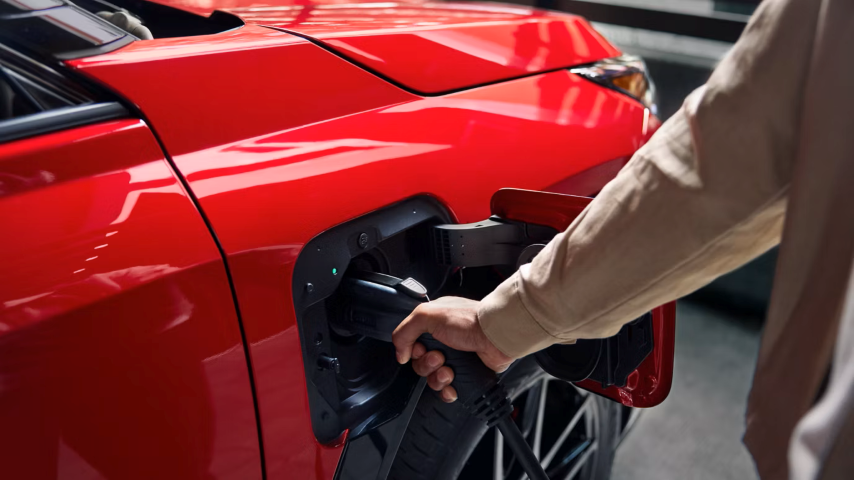
Interested in ASME DRIVN?
A technical presentation at ASME DRIVN 2026 by Brian Schneidewind of Toyota North America shows that there are multiple pathways to lower vehicle emissions.
The race to define the future of transportation is being shaped as much by shifting markets, regulations, and customer demands as it is by technological breakthroughs. Success will belong not to a single winning technology, but to engineers who can adapt quickly, learn continuously, collaborate across disciplines, and design systems resilient enough to navigate an uncertain future. That mindset emerged as a recurring theme throughout ASME DRIVN, echoed by keynote speaker Mike Anderson, vice president of global battery and propulsion technology at GM. “Academia operates on a certain timescale... corporations are operating on different timescales and structures, and to bring them together is super powerful,” he said.
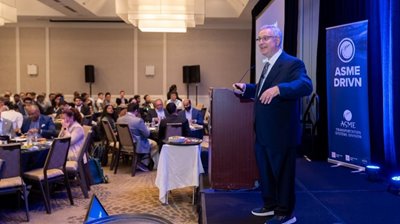 Pictured is Dennis Assanis, mechanical engineer and the sixth Chancellor of the University of California, Santa Barbara, and a Distinguished Lecturer at ASME DRIVN 2026. Photo: Edin Studios.
By bringing together keynote speakers, technical experts, and emerging researchers, ASME DRIVN showcased both the technologies and the collaborative spirit shaping the future of transportation. The event demonstrated that the next breakthroughs in mobility will be driven not by a single innovation, but by the connections forged across disciplines and sectors.
“As an industry, we’re working toward extremely challenging goals around emissions, fuel economy, affordability, and performance. Conferences like [ASME] DRIVN create opportunities to share ideas, challenge assumptions, and learn from one another,” said Schneidewind.
Share your research. Spark new collaborations. Submit an abstract for ASME DRIVN 2027.
The inaugural ASME DRIVN conference united industry, academia, and government to shape transportation's future through cross-disciplinary collaboration.

Related Content

Nov 4, 2026
5 Mechanically Extraordinary Everyday Objects

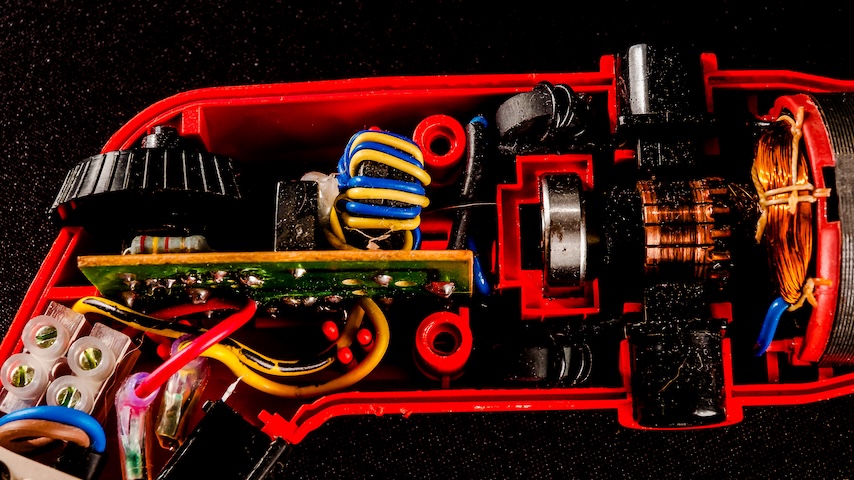
How does a rice cooker know when rice is done? A Rice University engineer explains the mechanics inside five everyday objects, from irons to power drills.
Nov 4, 2026
Management and the Engineer

Nov 4, 2026
Engineer a Standout Resume

Learn how to highlight your accomplishments, tailor your experience, and avoid common resume pitfalls—with advice from an engineering hiring manager.
Nov 3, 2026
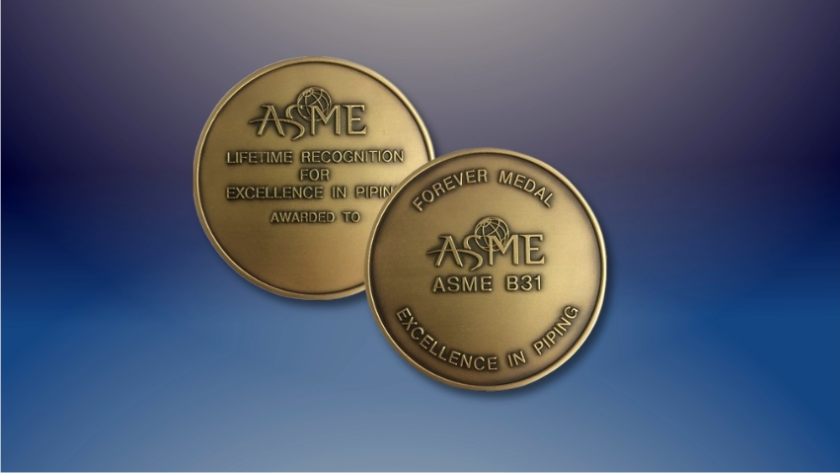
Paulin and Rahoi Awarded the 2026 ASME B31 Forever Medals
Tony Paulin and Dennis Rahoi were named the 2026 recipients of the ASME B31 Forever Medals for Excellence in Piping during the 2026 B31 & Nonmetallic Pressure Piping Code Week in Mesa.