How Glass Is Quietly Shaping the Future of Automotive Engineering
How Glass Is Quietly Shaping the Future of Automotive Engineering
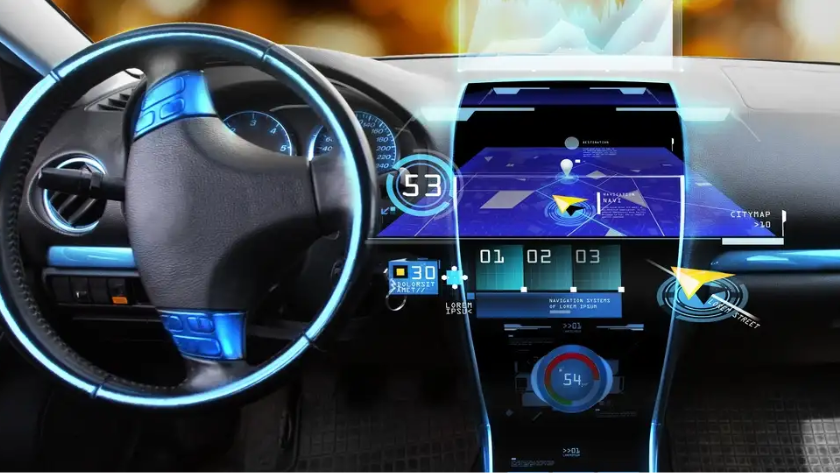
A conversation with SCHOTT on how specialty glass is helping enable sensors, displays, and electronics in next-generation vehicles.
As vehicles become increasingly autonomous, electrified, and digitally connected, the materials enabling those technologies are evolving as well. While software, batteries, and sensor technologies often dominate conversations around mobility innovation, specialty glass is quietly playing a critical role in everything from sensor performance to advanced display systems and EV reliability.
ASME spoke with SCHOTT North America’s Tina Gallo, manager of applications and logistic services, about how glass is helping shape the future of automotive engineering.
ASME: When people think about the future of automotive technology, they usually think about AI, batteries, or software. Glass probably isn’t high on the list. Why should engineers be paying more attention to it?
Gallo: So, that’s exactly what makes it interesting. Glass is one of the technologies people rarely notice, but it’s becoming increasingly essential to how modern vehicles function.
Vehicles are evolving into highly connected electronic systems. They rely on sensors, displays, cameras, battery electronics, and advanced communication technologies. And all those require materials capable of delivering precision and long-term reliability under difficult conditions.
SCHOTT specialty glasses help enable that. BOROFLOAT® glass, for example, offers a unique combination of optical clarity, thermal stability, chemical resistance, robustness, and electrical insulation that many other materials simply can’t provide simultaneously. So, while it may not be as visible as the software or the battery pack, glass is often the material helping those systems operate reliably.
ASME: Autonomous driving is one of the biggest engineering challenges in mobility right now. Where does glass fit into that picture?
Gallo: Autonomous driving depends heavily on optical systems. This includes LiDAR, cameras, infrared sensing, and other advanced sensor technologies.
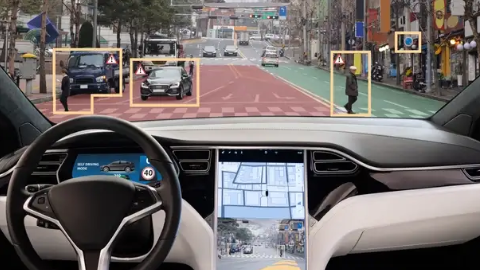 Lidar systems in an automotive application. Image: SCHOTT
What many people don’t realize is that those systems require extremely precise optical performance to work consistently over time.
Lidar systems in an automotive application. Image: SCHOTT
What many people don’t realize is that those systems require extremely precise optical performance to work consistently over time.
Sensors must operate in rain, dust, vibration, freezing temperatures, and high heat. Even small distortions or environmental degradation can impact performance. That’s where specialty glasses become critical.
Glass is the material that helps protect sensitive optical systems while maintaining the transparency and stability required for accurate sensing. In many ways, autonomous driving is not just a software challenge. It’s also a materials challenge.
ASME: So, the “eyes” of autonomous vehicles depend on glass.
Gallo: Exactly. The sensors are only as reliable as the materials supporting them. Glass helps maintain optical precision, environmental protection, thermal and chemical stability, and long-term durability. And because autonomous systems rely on clean, accurate data, maintaining sensor integrity over the life of the vehicle becomes incredibly important.
ASME: Automotive interiors are changing rapidly too. Displays seem to be everywhere now.
Gallo: Yes, and that transformation is accelerating. The windshield and dashboard are evolving from passive surfaces into interactive digital interfaces. Modern vehicles increasingly incorporate large touch displays, curved screens, augmented reality head-up displays, integrated antennas and communication systems, windshields with embedded sensors and camera systems, and switchable/solar roof solutions.
Specialty glasses play a major role because engineers need surfaces that are both visually impressive and highly durable. For example, any glass used in automotive displays must deliver high optical quality, scratch resistance, anti-reflective performance, thin, lightweight construction, and compatibility with touch technologies. The interesting thing is that the windshield itself is starting to become part of the user interface.
ASME: Electric vehicles also bring new engineering demands. Is glass contributing there in ways people may not realize?
Gallo: Absolutely. EVs operate under very different electrical and thermal conditions compared to traditional combustion vehicles. Higher voltages and power densities create new challenges around insulation, thermal management, moisture protection, and long-term electronic reliability.
Specialty glass technologies are used in applications such as glass-to-metal seals, hermetic packaging, and electronic feedthroughs that help protect sensitive systems. These components are often completely invisible to drivers, but they play an important role in maintaining battery safety and long-term reliability.
ASME: People sometimes still think of glass as fragile. Is that perception outdated?
Gallo: I think it’s evolving. A lot of assumptions about glass come from consumer products or architectural applications. But specialty glasses that are used in technical environments is engineered very differently.
The important thing is understanding what the material is optimized for.
Compared to metals, glass offers distinct advantages in thermal stability, corrosion resistance, dimensional precision, electrical insulation, and optical performance. So as automotive systems become more electronically sophisticated, those properties become increasingly valuable.
ASME: Lightweighting is still a huge focus in automotive engineering. Can glass contribute there too?
Gallo: Definitely. Glass components are becoming thinner, lighter, and more multifunctional. In EVs especially, reducing weight directly improves efficiency and driving range.
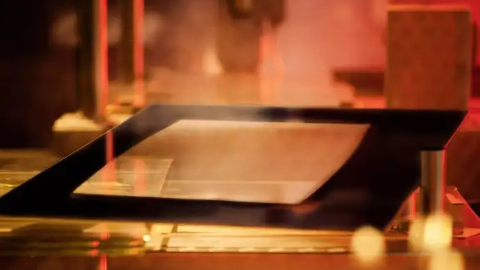 BOROFLOAT® is known for its transparency and thermal and chemical resistance, making it ideal for use in automotive applications. Image: SCHOTT
Engineers are looking for ways to integrate more functionality into fewer components, and glass can help support that trend. For example, advanced glass surfaces can combine display functionality, touch capability, durability, and optical performance within very thin structures. This allows designers to simplify interiors while still delivering advanced digital experiences.
BOROFLOAT® is known for its transparency and thermal and chemical resistance, making it ideal for use in automotive applications. Image: SCHOTT
Engineers are looking for ways to integrate more functionality into fewer components, and glass can help support that trend. For example, advanced glass surfaces can combine display functionality, touch capability, durability, and optical performance within very thin structures. This allows designers to simplify interiors while still delivering advanced digital experiences.
It’s also noteworthy that glass compositions differ in weight. BOROFLOAT® glass is for instance 12 percent lighter than traditional soda-lime window glass.
ASME: What do you think most engineers still underestimate about glass in automotive design?
Gallo: Probably how central it’s becoming to advanced vehicle systems. People still tend to think of glass primarily as a window, covering, or protective surface. But increasingly, it’s functioning as an enabling material for sensing, communication, electronics, and human-machine interaction.
The future vehicle is becoming smarter, more connected, and more electronically complex. Materials that support precision and reliability in those environments become critically important. Glass is quietly becoming one of those materials.
ASME: If there’s a key takeaway you’d want engineers to remember about the role of glass in next-generation vehicles, what would it be?
Gallo: Glass is no longer just a supporting material in automotive design. It’s becoming an enabling technology. As vehicles become more connected, autonomous, electrified, and digital, the demands on materials are changing dramatically. Engineers increasingly need materials that can deliver optical precision, thermal stability, electrical insulation, durability, and reliability all at once.
That’s where specialty glass is making a real impact. Whether it’s helping autonomous vehicles “see,” protecting sensitive EV electronics, enabling advanced display technologies, or supporting next-generation sensors, glass is quietly helping solve some of the industry’s most complex engineering challenges.
At SCHOTT, we see glass not simply as a material, but as a platform for innovation that helps enable the future of mobility.
Visit SCHOTT.com to learn more about specialty glass solutions.
ASME spoke with SCHOTT North America’s Tina Gallo, manager of applications and logistic services, about how glass is helping shape the future of automotive engineering.
ASME: When people think about the future of automotive technology, they usually think about AI, batteries, or software. Glass probably isn’t high on the list. Why should engineers be paying more attention to it?
Gallo: So, that’s exactly what makes it interesting. Glass is one of the technologies people rarely notice, but it’s becoming increasingly essential to how modern vehicles function.
Vehicles are evolving into highly connected electronic systems. They rely on sensors, displays, cameras, battery electronics, and advanced communication technologies. And all those require materials capable of delivering precision and long-term reliability under difficult conditions.
SCHOTT specialty glasses help enable that. BOROFLOAT® glass, for example, offers a unique combination of optical clarity, thermal stability, chemical resistance, robustness, and electrical insulation that many other materials simply can’t provide simultaneously. So, while it may not be as visible as the software or the battery pack, glass is often the material helping those systems operate reliably.
ASME: Autonomous driving is one of the biggest engineering challenges in mobility right now. Where does glass fit into that picture?
Gallo: Autonomous driving depends heavily on optical systems. This includes LiDAR, cameras, infrared sensing, and other advanced sensor technologies.
Lidar systems in an automotive application. Image: SCHOTT
Sensors must operate in rain, dust, vibration, freezing temperatures, and high heat. Even small distortions or environmental degradation can impact performance. That’s where specialty glasses become critical.
Glass is the material that helps protect sensitive optical systems while maintaining the transparency and stability required for accurate sensing. In many ways, autonomous driving is not just a software challenge. It’s also a materials challenge.
ASME: So, the “eyes” of autonomous vehicles depend on glass.
Gallo: Exactly. The sensors are only as reliable as the materials supporting them. Glass helps maintain optical precision, environmental protection, thermal and chemical stability, and long-term durability. And because autonomous systems rely on clean, accurate data, maintaining sensor integrity over the life of the vehicle becomes incredibly important.
ASME: Automotive interiors are changing rapidly too. Displays seem to be everywhere now.
Gallo: Yes, and that transformation is accelerating. The windshield and dashboard are evolving from passive surfaces into interactive digital interfaces. Modern vehicles increasingly incorporate large touch displays, curved screens, augmented reality head-up displays, integrated antennas and communication systems, windshields with embedded sensors and camera systems, and switchable/solar roof solutions.
Specialty glasses play a major role because engineers need surfaces that are both visually impressive and highly durable. For example, any glass used in automotive displays must deliver high optical quality, scratch resistance, anti-reflective performance, thin, lightweight construction, and compatibility with touch technologies. The interesting thing is that the windshield itself is starting to become part of the user interface.
ASME: Electric vehicles also bring new engineering demands. Is glass contributing there in ways people may not realize?
Gallo: Absolutely. EVs operate under very different electrical and thermal conditions compared to traditional combustion vehicles. Higher voltages and power densities create new challenges around insulation, thermal management, moisture protection, and long-term electronic reliability.
Specialty glass technologies are used in applications such as glass-to-metal seals, hermetic packaging, and electronic feedthroughs that help protect sensitive systems. These components are often completely invisible to drivers, but they play an important role in maintaining battery safety and long-term reliability.
ASME: People sometimes still think of glass as fragile. Is that perception outdated?
Gallo: I think it’s evolving. A lot of assumptions about glass come from consumer products or architectural applications. But specialty glasses that are used in technical environments is engineered very differently.
The important thing is understanding what the material is optimized for.
Compared to metals, glass offers distinct advantages in thermal stability, corrosion resistance, dimensional precision, electrical insulation, and optical performance. So as automotive systems become more electronically sophisticated, those properties become increasingly valuable.
ASME: Lightweighting is still a huge focus in automotive engineering. Can glass contribute there too?
Gallo: Definitely. Glass components are becoming thinner, lighter, and more multifunctional. In EVs especially, reducing weight directly improves efficiency and driving range.
BOROFLOAT® is known for its transparency and thermal and chemical resistance, making it ideal for use in automotive applications. Image: SCHOTT
It’s also noteworthy that glass compositions differ in weight. BOROFLOAT® glass is for instance 12 percent lighter than traditional soda-lime window glass.
ASME: What do you think most engineers still underestimate about glass in automotive design?
Gallo: Probably how central it’s becoming to advanced vehicle systems. People still tend to think of glass primarily as a window, covering, or protective surface. But increasingly, it’s functioning as an enabling material for sensing, communication, electronics, and human-machine interaction.
The future vehicle is becoming smarter, more connected, and more electronically complex. Materials that support precision and reliability in those environments become critically important. Glass is quietly becoming one of those materials.
ASME: If there’s a key takeaway you’d want engineers to remember about the role of glass in next-generation vehicles, what would it be?
Gallo: Glass is no longer just a supporting material in automotive design. It’s becoming an enabling technology. As vehicles become more connected, autonomous, electrified, and digital, the demands on materials are changing dramatically. Engineers increasingly need materials that can deliver optical precision, thermal stability, electrical insulation, durability, and reliability all at once.
That’s where specialty glass is making a real impact. Whether it’s helping autonomous vehicles “see,” protecting sensitive EV electronics, enabling advanced display technologies, or supporting next-generation sensors, glass is quietly helping solve some of the industry’s most complex engineering challenges.
At SCHOTT, we see glass not simply as a material, but as a platform for innovation that helps enable the future of mobility.
Visit SCHOTT.com to learn more about specialty glass solutions.
A conversation with SCHOTT on how specialty glass is helping enable sensors, displays, and electronics in next-generation vehicles.
Sponsored by

Related Content


Oct 12, 2026
Podcast: Standards as the Backbone of Nuclear & Fusion Energy
Lester Su and Dale Matthews explore how codes and standards support quality and innovation as nuclear and fusion technologies continue to advance.


Oct 12, 2026
From Disruption to Optimization: The Role of Simulation in Modern Refining

Digital simulation is helping refiners improve efficiency, troubleshoot operational challenges, and adapt to an increasingly complex energy landscape.

Oct 7, 2026
Better Listening Builds Better Careers


For engineers, better listening can reveal critical information, strengthen trust, and lead to smarter decisions.
Oct 5, 2026
Where Digital Meets Physical

Mechanical engineers become indispensable as they bridge the gap between digital models and physical reality.