Engineering Chattanooga’s 130-Year-Old Incline Railway
Engineering Chattanooga’s 130-Year-Old Incline Railway
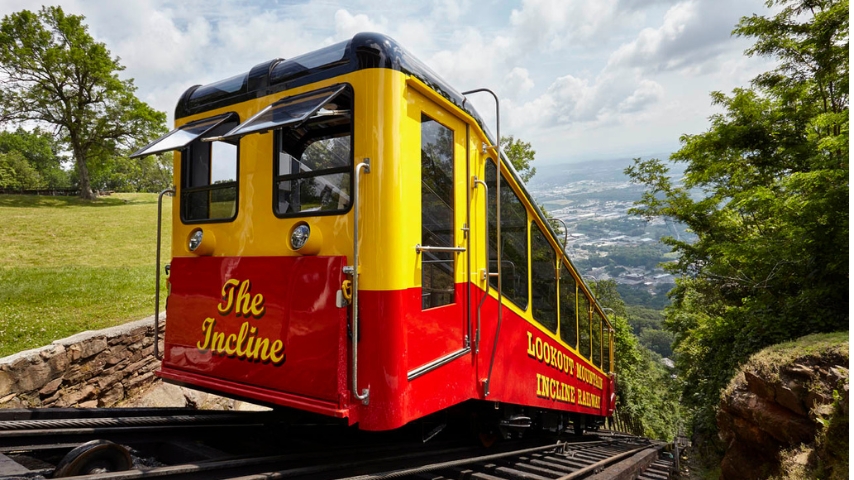
In 1991 the Incline Railway became an ASME National Historic Mechanical Engineering Landmark. Thirty-five years later, the funicular is 130 years old and still carrying riders up Lookout Mountain.
Known as “America’s Most Amazing Mile,” the Incline Railway has carried passengers up historic Lookout Mountain for 130 years. The railway, one of the longest and steepest funiculars in North America, began operating on Nov. 16, 1895, climbing to an elevation of 1,450 feet above Chattanooga, Tenn.
Its longevity remains central to its appeal, said Matthew Higgins, interim director of Incline Railway-PTSCTP-Rail. Because of its deep roots in Chattanooga, Higgins believes “there will always be people wanting to ride on a piece of history and the incline is one of the oldest staples of history in Chattanooga.”
Recognized as both a National Historic Site and an ASME National Historic Mechanical Engineering Landmark, the railway runs one mile, rises 1,450 feet, and reaches a maximum grade of 72.7 percent near the top. Each year, an estimated 200,000 riders make the 20-minute trip, joining the millions who have traveled the route for panoramic views from one of the region’s most distinctive engineering landmarks.
The effort to conquer Lookout Mountain began with tourists in mind. Developers saw the mountain’s sweeping views, cooler air, and attractions as a draw for visitors, hotels, and other businesses. By the late 1800s, rail transportation had become the key to bringing tourists to the summit, and companies were competing to get them there.
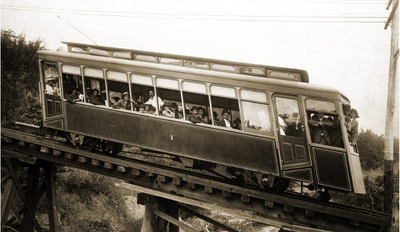 A railcar from 1901-1911. Photo: CARTA
That competition included an incline railway that followed a shorter, faster route up the mountain’s steepest slope. That route became today’s Lookout Mountain Incline Railway. Organized by John T. Crass and the Lookout Mountain Incline Railway Company, Incline No. 2 began clearing a right of way on June 20, 1895. Service began just five months later, despite the need for a 100-foot cut at the bluff and hand drilling through hard sandstone for blasting.
A railcar from 1901-1911. Photo: CARTA
That competition included an incline railway that followed a shorter, faster route up the mountain’s steepest slope. That route became today’s Lookout Mountain Incline Railway. Organized by John T. Crass and the Lookout Mountain Incline Railway Company, Incline No. 2 began clearing a right of way on June 20, 1895. Service began just five months later, despite the need for a 100-foot cut at the bluff and hand drilling through hard sandstone for blasting.
Incline No. 2 quickly became the most efficient option. The Broad-Gauge Railroad took about 60 minutes to reach the summit, while Incline No. 1 took about 50 minutes. Incline No. 2 made the trip in about 22 minutes.
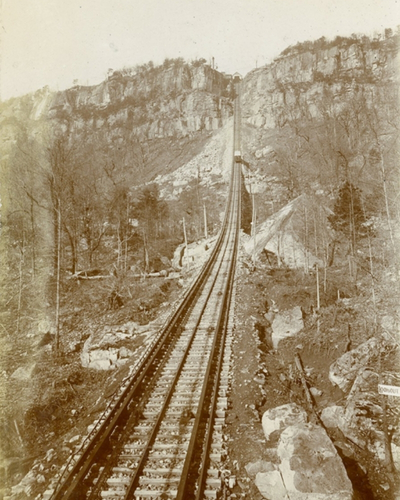 Track of current incline during the late 1890s. Photo: CARTA
The railway continued to evolve as technology and transportation changed. In 1911, the owners of Incline No. 2 electrified it, and Otis installed a centrifugal governor on both the cars, and the powerhouse cable drums at this time. Developers created the first paved road up the mountain in 1928, creating new competition but also bringing more travelers to Chattanooga. Incline No. 2 operated as a private corporation under Southern Coach Manufacturing Co. until Jan. 28, 1973, when it became part of the Chattanooga Area Regional Transportation Authority (CARTA).
Track of current incline during the late 1890s. Photo: CARTA
The railway continued to evolve as technology and transportation changed. In 1911, the owners of Incline No. 2 electrified it, and Otis installed a centrifugal governor on both the cars, and the powerhouse cable drums at this time. Developers created the first paved road up the mountain in 1928, creating new competition but also bringing more travelers to Chattanooga. Incline No. 2 operated as a private corporation under Southern Coach Manufacturing Co. until Jan. 28, 1973, when it became part of the Chattanooga Area Regional Transportation Authority (CARTA).
Today, the Lookout Mountain Incline Railway is a standard-gauge inclined-plane funicular run by two 100 horse powered motors that power the large drums that operate the cable. About one mile long, it runs mostly on a single track, with a short two-track passing loop at the midpoint that allows two cars to operate at once. Traveling at just under 10 mph, it connects Chattanooga’s historic St. Elmo neighborhood with the top of Lookout Mountain.
For Higgins, that combination of mechanical ingenuity and living history explains the railway’s enduring appeal. People remain fascinated by the Incline, he said, because of “how it has survived well over a century and still going strong.”
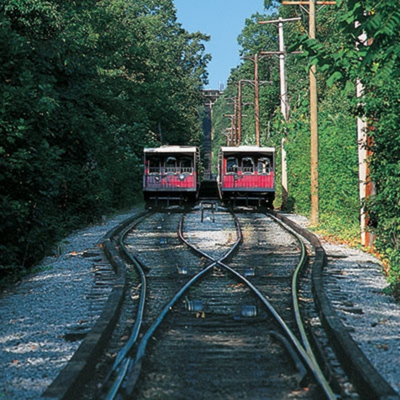 Railcar at the split in the 1980s Photo: CARTA
Safety has been central to the Incline Railway since its earliest days. The original system included double 1.25-inch steel cables, guardrails to help prevent derailment, strap brakes, and an overhead trolley wire communication system. Back then, there were wooden cars and two huge coal-burning steam engines, each rated at 80 horsepower, powered the railway.
Railcar at the split in the 1980s Photo: CARTA
Safety has been central to the Incline Railway since its earliest days. The original system included double 1.25-inch steel cables, guardrails to help prevent derailment, strap brakes, and an overhead trolley wire communication system. Back then, there were wooden cars and two huge coal-burning steam engines, each rated at 80 horsepower, powered the railway.
“Safety has always been priority one since the start of the railway,” Higgins said. As technology advanced, so did the drive system. Earlier systems relied on hundreds of relay boards, which made the equipment complex and difficult to troubleshoot. “A breakdown could take days or even weeks to diagnose,” he said.
Recent upgrades include a new drive system and a new programmable logic controller. The track has incorporated limit switches to slow the cars as they enter the upper station. In addition, a failsafe control handle allows the system to dock itself if something happens to the operator.
The future of the Lookout Mountain Incline Railway includes a focus on preserving its historic character while improving safety, reliability, and the visitor experience. After a 2024 fire and rockslide damaged the railway, CARTA collaborated with engineers and safety experts to replace damaged rail, ties, and cable, while also modernizing key systems.
 New fire-prevention measures, including plans for a pipe system that can deploy water or foam along the rail line, are set up to protect the railway from similar threats. Maintaining that infrastructure comes with unique challenges because of the railway’s steep grade. “Some of the challenges we face with operating an Incline on a 72.7 percent grade is finding qualified contractors to do the work,” Higgins said.
CARTA is also looking beyond repairs. The agency has discussed creating a master plan to transform the Incline into a stronger regional destination, with attention to the upper and lower stations, nearby attractions, ticketing, concessions, and shuttle connections on Lookout Mountain. Those plans could help the railway capture more visitor spending while strengthening its role in Chattanooga’s tourism economy.
At the same time, the railway’s future will depend on collaboration among CARTA, the Town of Lookout Mountain, residents, businesses, and visitors. Recent discussions over proposed operating limits and passenger fees underscored how important the Incline is not only as an attraction but also as a source of revenue for local transit. If those groups can balance preservation, neighborhood concerns, safety, and access, the Incline Railway can continue carrying passengers up Lookout Mountain for generations to come.
Cathy Cecere is membership content program manager.
Its longevity remains central to its appeal, said Matthew Higgins, interim director of Incline Railway-PTSCTP-Rail. Because of its deep roots in Chattanooga, Higgins believes “there will always be people wanting to ride on a piece of history and the incline is one of the oldest staples of history in Chattanooga.”
Recognized as both a National Historic Site and an ASME National Historic Mechanical Engineering Landmark, the railway runs one mile, rises 1,450 feet, and reaches a maximum grade of 72.7 percent near the top. Each year, an estimated 200,000 riders make the 20-minute trip, joining the millions who have traveled the route for panoramic views from one of the region’s most distinctive engineering landmarks.
Engineers built the Incline Railway
The effort to conquer Lookout Mountain began with tourists in mind. Developers saw the mountain’s sweeping views, cooler air, and attractions as a draw for visitors, hotels, and other businesses. By the late 1800s, rail transportation had become the key to bringing tourists to the summit, and companies were competing to get them there.
A railcar from 1901-1911. Photo: CARTA
Incline No. 2 quickly became the most efficient option. The Broad-Gauge Railroad took about 60 minutes to reach the summit, while Incline No. 1 took about 50 minutes. Incline No. 2 made the trip in about 22 minutes.
Track of current incline during the late 1890s. Photo: CARTA
Today, the Lookout Mountain Incline Railway is a standard-gauge inclined-plane funicular run by two 100 horse powered motors that power the large drums that operate the cable. About one mile long, it runs mostly on a single track, with a short two-track passing loop at the midpoint that allows two cars to operate at once. Traveling at just under 10 mph, it connects Chattanooga’s historic St. Elmo neighborhood with the top of Lookout Mountain.
For Higgins, that combination of mechanical ingenuity and living history explains the railway’s enduring appeal. People remain fascinated by the Incline, he said, because of “how it has survived well over a century and still going strong.”
Safety systems keep the railway running
Railcar at the split in the 1980s Photo: CARTA
“Safety has always been priority one since the start of the railway,” Higgins said. As technology advanced, so did the drive system. Earlier systems relied on hundreds of relay boards, which made the equipment complex and difficult to troubleshoot. “A breakdown could take days or even weeks to diagnose,” he said.
Recent upgrades include a new drive system and a new programmable logic controller. The track has incorporated limit switches to slow the cars as they enter the upper station. In addition, a failsafe control handle allows the system to dock itself if something happens to the operator.
What’s next for the Incline Railway
The future of the Lookout Mountain Incline Railway includes a focus on preserving its historic character while improving safety, reliability, and the visitor experience. After a 2024 fire and rockslide damaged the railway, CARTA collaborated with engineers and safety experts to replace damaged rail, ties, and cable, while also modernizing key systems.
Steam Locomotive Rededication Speaks to its Significance
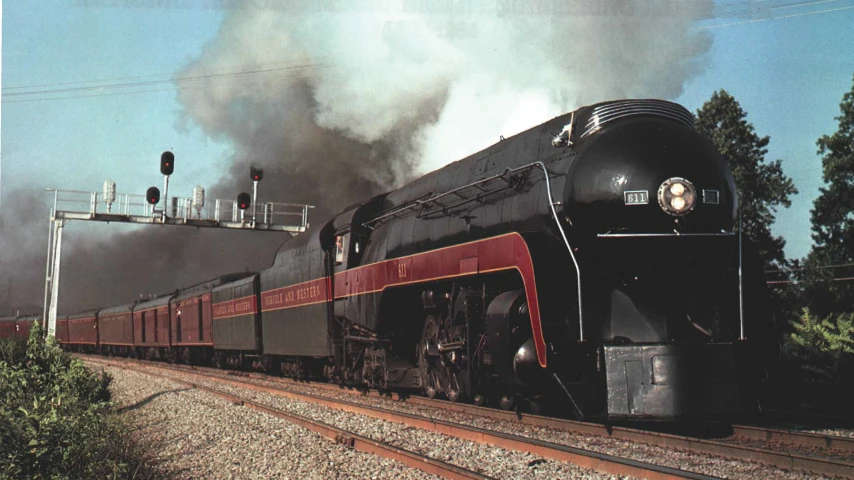
Forty-one years after its original ASME Landmark designation, the iconic Norfolk & Western #611 steam locomotive was rededicated in celebration of its engineering significance and enduring legacy.
CARTA is also looking beyond repairs. The agency has discussed creating a master plan to transform the Incline into a stronger regional destination, with attention to the upper and lower stations, nearby attractions, ticketing, concessions, and shuttle connections on Lookout Mountain. Those plans could help the railway capture more visitor spending while strengthening its role in Chattanooga’s tourism economy.
At the same time, the railway’s future will depend on collaboration among CARTA, the Town of Lookout Mountain, residents, businesses, and visitors. Recent discussions over proposed operating limits and passenger fees underscored how important the Incline is not only as an attraction but also as a source of revenue for local transit. If those groups can balance preservation, neighborhood concerns, safety, and access, the Incline Railway can continue carrying passengers up Lookout Mountain for generations to come.
Cathy Cecere is membership content program manager.
In 1991 the Incline Railway became an ASME National Historic Mechanical Engineering Landmark. Thirty-five years later, the funicular is 130 years old and still carrying riders up Lookout Mountain.

Membership content program manager for ASME
Related Content

Jun 12, 2026
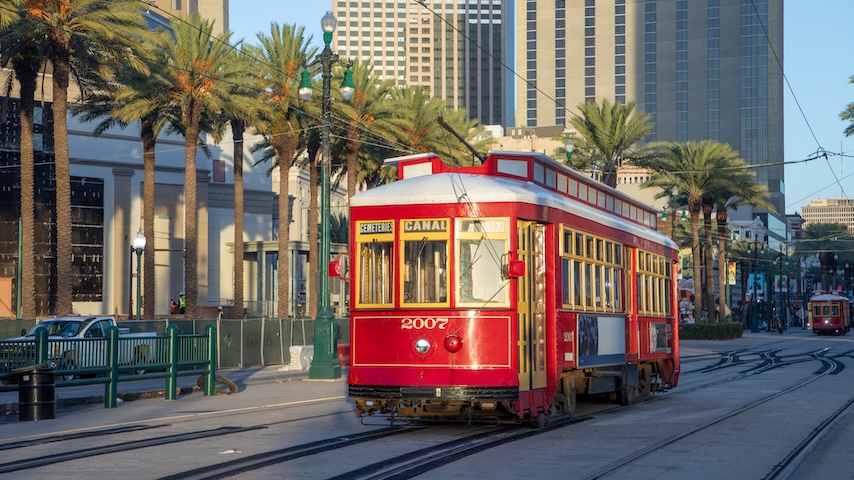
Quiz: A Trolley’s Trucks and Frogs
Although streetcars are more of a novelty these days, innovative engineering made them possible. See what you know with this ASME quiz.

Apr 27, 2026
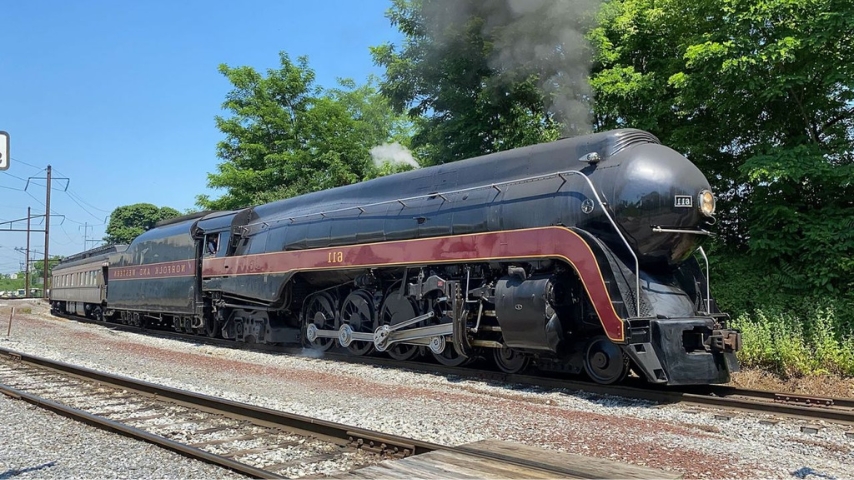
Podcast: The Enduring Legacy of Class J No. 611


Mar 11, 2026
Blog: Snow Removal from Streets and Space
From city streets to Arctic shipping lanes, engineers deploy innovative tools and technology to manage the challenges of snow and ice.
Feb 10, 2026
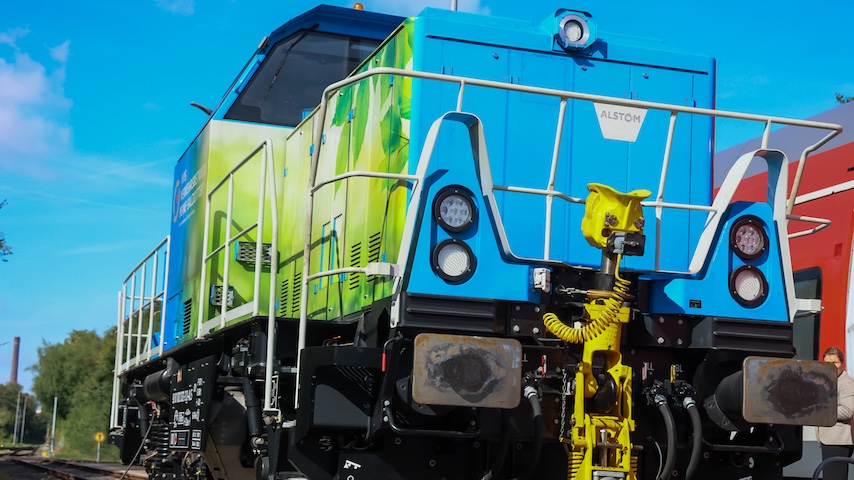
Hydrogen Hits the Rails


Shunting locomotives converted from diesel to hydrogen drive perform the same as before, without the emissions.