ASME and JSME Announce Collaboration on Global Tokamak Fusion Power Plant Code
ASME and JSME Announce Collaboration on Global Tokamak Fusion Power Plant Code
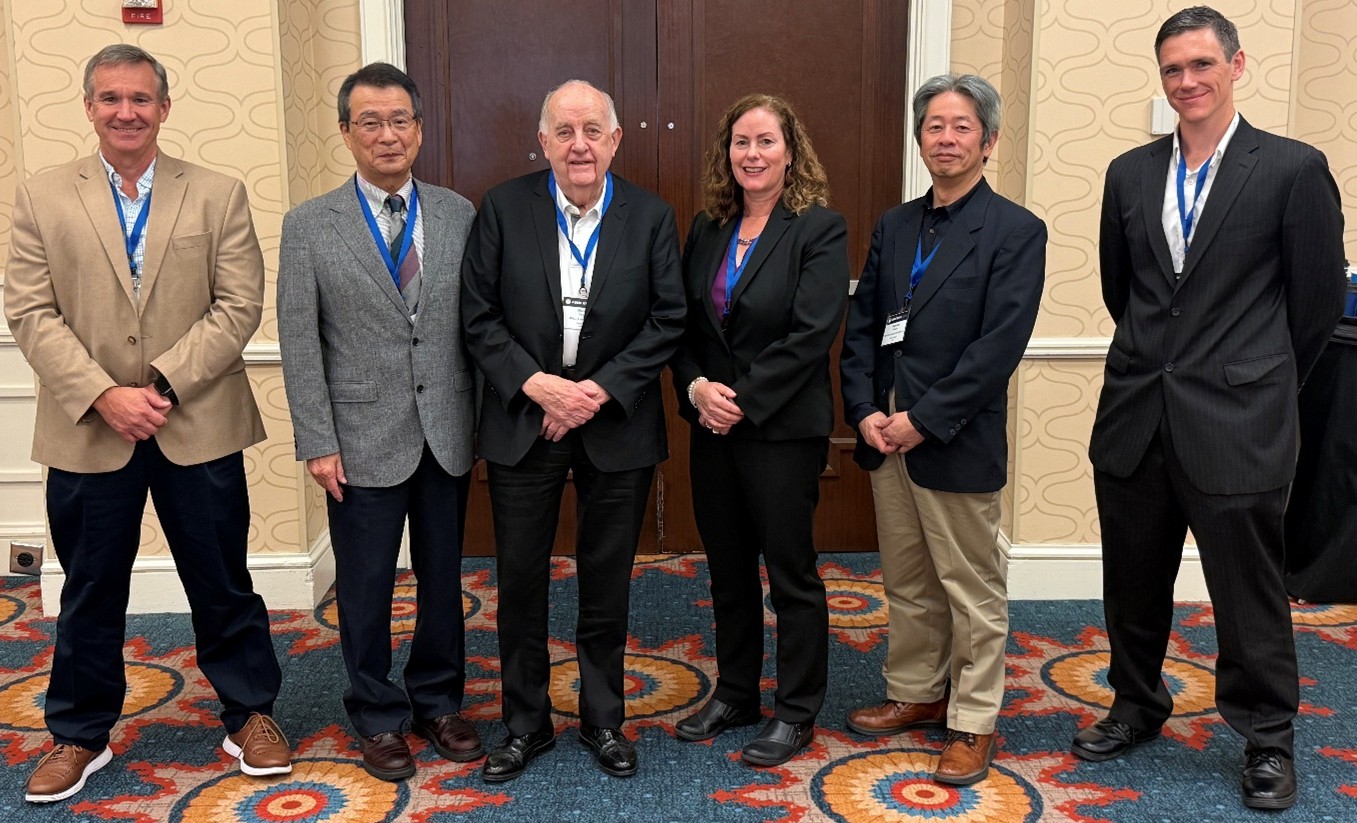 ASME, JSME, QST, and ANRIC Enterprises staff met at ASME’s Boiler and Pressure Vessel Code Week in November 2025 in Dallas. Pictured left to right are: Dale Matthews (ASME volunteer, Framatome Inc.), TADA Eisuke (QST, JSME), Richard Barnes (ASME Volunteer, ANRIC Enterprises), Kathryn Hyam (ASME Staff), NAKAHIRA Masataka (QST, JSME), and Michael McKenna (ASME Staff).
NEW YORK (January 7, 2026) — The American Society of Mechanical Engineers (ASME) has signed an agreement with the Japan Society of Mechanical Engineers (JSME) to jointly develop a draft code for the construction of tokamak fusion power plants, marking a significant step toward global standardization in fusion energy technology. A tokamak is a type of fusion reactor that uses a doughnut-shaped magnetic chamber to confine hot plasma, enabling nuclear fusion reactions to occur.
A separate agreement has also be signed between the National Institutes for Quantum Science and Technology (QST) in Japan, ANRIC Enterprises, and ASME ST-LLC to support the development of the draft tokamak Code. QST, a Japanese national research and development agency with extensive experience on the ITER project, is conducting research on key tokamak components, including magnets. This research will be incorporated into the Tokamak Fusion Power Plant Construction Code, which will guide the design and construction of a demonstration facility in Japan. The demonstration facility aims to validate net electricity production from a tokamak reactor in the 2030s.
“This collaboration represents a major milestone in the global effort to advance fusion energy,” said Christopher Cantrell, ASME’s senior managing director of standards and engineering services. “By working together with our colleagues in Japan, we are laying the groundwork for safe, reliable, and standardized construction of tokamak fusion power plants worldwide. ASME is excited about this opportunity and welcomes collaboration with other fusion technology developers to create codes and standards that will help move clean energy forward for the benefit of humanity.”
The agreements build on a longstanding relationship between ASME, QST, and JSME. ASME will receive research results and proposed code language from JSME which will be provided to relevant ASME committees. The goal is to facilitate worldwide acceptance and implementation of the code, ensuring close alignment between the ASME and JSME versions.
JSME has launched a dedicated working group within the JSME Standard Committee on Power Generation Facility Codes to formulate new codes for tokamak facilities. To support this initiative, QST will provide pivotal research insights and draft technical requirements derived from its significant experience in tokamak development, ensuring the standards are built on proven scientific foundations.
ANRIC Enterprises, a professional engineering services provider led by longtime ASME volunteer Richard Barnes, will head an advisory group to review and help develop the draft language, propose changes for alignment with ASME structure, and recommend additional research.
The project is expected to deliver an initial draft of the Tokamak Code by March 2028, with a final version targeted for completion by the end of 2035. While the code will focus on the tokamak design—the most studied and supported by current research—elements may also be applicable to other fusion reactor designs, such as stellarators and laser fusion reactors. A stellarator also uses magnetic fields to confine plasma, but with a more complex, twisted shape that helps maintain stability without relying on electric currents inside the plasma. A laser fusion reactor uses powerful laser beams to heat and compress small fuel pellets, triggering nuclear fusion reactions in a controlled environment.
This initiative is supported by the Japanese government’s BRIDGE (Bridging the gap between R&D and the IDeal society and Generating Economic and social value) program, which is dedicated to fusion energy standardization and globalization, with a particular emphasis on the tokamak design as the leading choice for fusion energy today.
About ASME
ASME helps the global engineering community develop solutions to real-world challenges. Founded in 1880 as the American Society of Mechanical Engineers, ASME is a not-for-profit professional organization that enables collaboration, knowledge sharing, and skill development across all engineering disciplines, while promoting the vital role of the engineer in society. ASME codes and standards, publications, conferences, continuing education, and professional development programs provide a foundation for advancing technical knowledge and a safer world. In 2020, ASME formed the International Society of Interdisciplinary Engineers (ISIE) II & III LLC, a new for-profit subsidiary to house business ventures that will bring new and innovative products, services, and technologies to the engineering community. For more information, visit www.asme.org.
About ASME ST-LLC
ASME ST-LLC is a not-for-profit Limited Liability Company, with ASME as the sole member, formed in 2004 to carry out work related to new and developing technology. ASME ST-LLC’s mission includes meeting the needs of industry and government by providing new standards-related products and services, which advance the application of emerging and newly commercialized science and technology, and providing the research and technology development needed to establish and maintain the technical relevance of codes and standards. Visit http://asmestllc.org/ for more information.
# # #
Media Contact:
Monica Shovlin
MCShovlin Communications LLC (for ASME)
monica@mcshovlin.com
+1.541.554.3796
Related Content

Jan 8, 2026
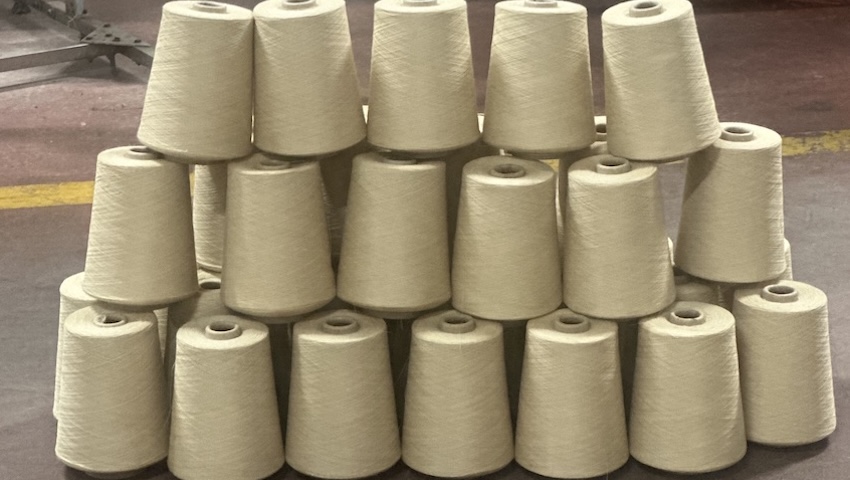
A Scalable, Biomass Waste-Based Textile
A new bioengineered fiber offers a pathway toward sustainable textile manufacturing.

Jan 7, 2026
Firms Offer Mechanical Engineers Challenges and Opportunities

The largest employers of mechanical engineers are professional services firms that leverage their expertise to meet project timelines and client mandates.
Jan 7, 2026
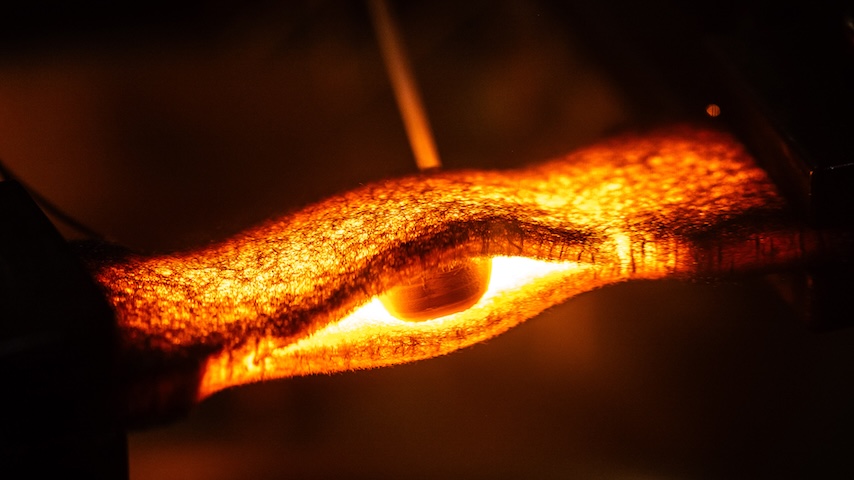
3D-Printed Dental Crowns Ready in Hours
A new production method using enhanced heat transfer and porous graphite felt could soon offer a faster trip to the dentist.
Jan 6, 2026
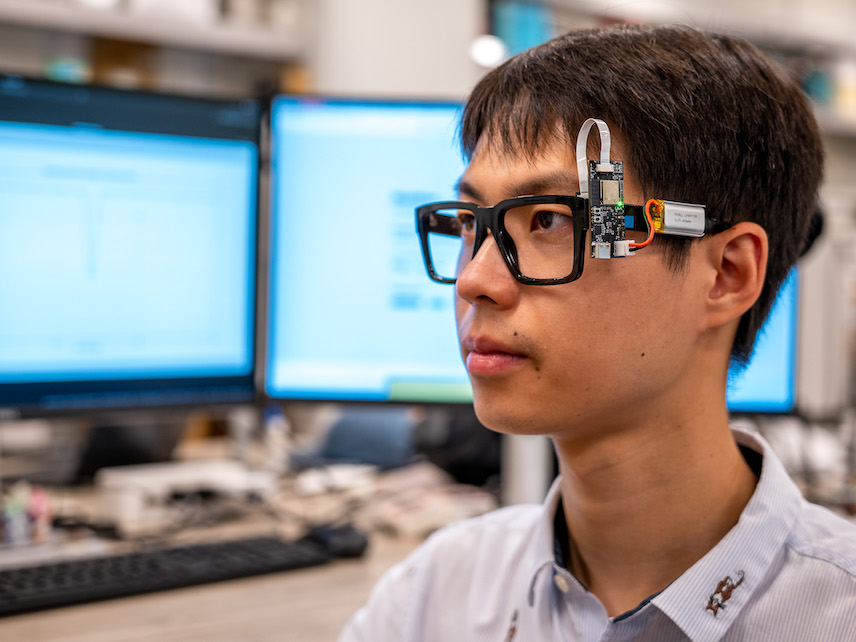
Tracking Blinks to Provide Health Data